All In Roofing: Complete Commercial Solutions Guide
Discover the benefits of all in roofing for commercial properties. Learn how comprehensive roofing solutions improve efficiency and reduce costs.
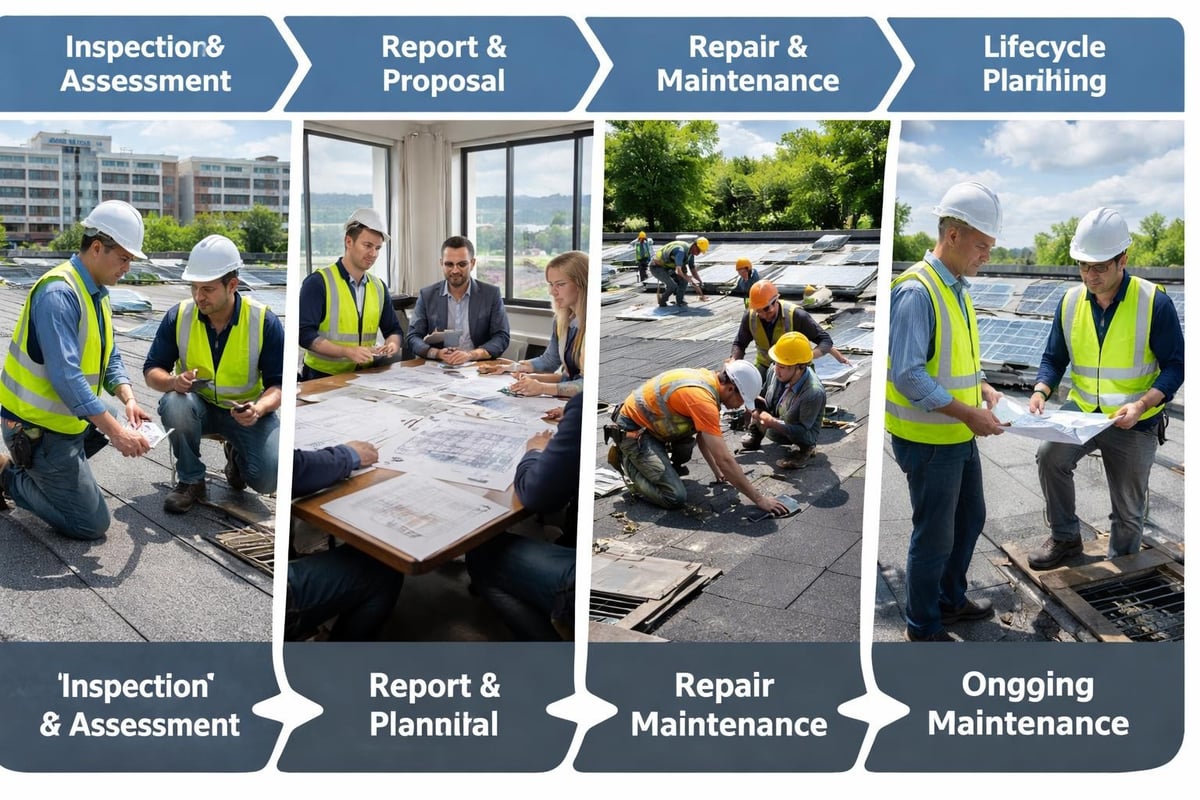
Commercial property managers and building owners face constant pressure to maintain their facilities while controlling costs and minimizing disruptions. The concept of all in roofing has emerged as a strategic approach to address these challenges by bundling comprehensive roofing services into a single, cohesive solution. Rather than juggling multiple contractors for inspections, repairs, maintenance, and eventual replacement, all in roofing provides a streamlined path to complete roof system management. This integrated approach transforms how businesses protect their most critical structural asset while maximizing return on investment.
Understanding the All In Roofing Concept
All in roofing represents a paradigm shift from traditional fragmented roofing services to a holistic management philosophy. This approach encompasses every aspect of roof system care under one umbrella, from initial assessment through long-term preventive maintenance programs.
The foundation of all in roofing rests on three core principles: comprehensive service integration, proactive maintenance planning, and long-term partnership. Unlike conventional models where property managers contract separately for emergency repairs, routine maintenance, and capital improvements, this unified strategy creates accountability and consistency throughout the roof's lifecycle.
Key Components of Comprehensive Roofing Solutions
An effective all in roofing program integrates multiple service layers that work synergistically to extend roof lifespan and prevent costly failures.
Core service elements include:
Detailed roof system inspections using advanced diagnostic technology
Preventive maintenance scheduling aligned with seasonal weather patterns
Emergency repair response with priority service guarantees
Roof coating applications to restore and protect existing systems
Complete roof replacement planning and execution
Warranty management and documentation tracking
Energy efficiency assessments and improvement recommendations
This comprehensive approach ensures no aspect of roof care falls through the cracks. Property managers gain a single point of contact who understands their building's complete roofing history, current condition, and future needs.
Financial Benefits of Integrated Roofing Programs
The economic advantages of all in roofing extend far beyond simple cost reduction. This strategic approach fundamentally changes the financial equation for commercial roof management.
Budget predictability stands out as one of the most significant benefits. Traditional reactive roofing creates unpredictable expenses that strain facility budgets. Emergency repairs typically cost 3-4 times more than planned preventive work, and unexpected roof failures can trigger cascading expenses from interior damage, business interruption, and temporary protection measures.
Cost Comparison Analysis
Approach
Annual Cost Variance
Emergency Frequency
Average Roof Lifespan
Total 20-Year Cost
Reactive Only
±45%
8-12 incidents
15-18 years
$285,000
Basic Maintenance
±25%
4-6 incidents
18-22 years
$215,000
All In Roofing
±8%
1-2 incidents
22-28 years
$165,000
These figures demonstrate how comprehensive programs reduce total ownership costs while delivering superior performance. The National Roofing Contractors Association provides extensive resources on industry standards that support these findings.
Extended equipment life represents another crucial financial benefit. HVAC systems, electrical installations, and stored inventory remain protected from water intrusion that accelerates degradation. Many facilities report 15-20% longer service life for rooftop equipment when consistent roof maintenance prevents moisture-related failures.
Industry-Specific Applications
Different commercial sectors face unique roofing challenges that all in roofing programs address through customized approaches.
Healthcare Facilities
Hospitals and medical centers operate 24/7 with zero tolerance for disruptions. Their roofing needs demand absolute reliability, strict infection control protocols during any work, and compliance with healthcare-specific building codes. All in roofing programs for medical facilities incorporate:
Non-disruptive maintenance scheduling during low-census periods
Enhanced air quality protection during roof access
Specialized drainage systems to prevent standing water
Regular inspections of equipment curbs and penetrations
Emergency response protocols that maintain facility operations
Medical buildings often house sensitive equipment worth millions of dollars. A single roof leak affecting an MRI suite or surgical center creates catastrophic expenses that dwarf roof repair costs.
Aesthetic considerations for visible roof elements
Stormwater management across extensive surfaces
Protection of merchandise and point-of-sale systems
After-hours service to avoid customer disruption
Retail property managers particularly value the predictable budgeting that comprehensive programs provide, allowing accurate common area maintenance charge calculations.
Government Buildings
Municipal, state, and federal facilities face budget constraints, procurement regulations, and public accountability requirements. All in roofing programs designed for government clients navigate these complexities through:
Transparent pricing aligned with public sector procurement rules
Detailed documentation meeting government auditing standards
Multi-year service agreements that stabilize budgets across fiscal periods
Compliance with Davis-Bacon wage requirements and prevailing rate regulations
Energy efficiency improvements that support sustainability mandates
Contemporary all in roofing leverages advanced technology to enhance service delivery and client communication. These digital tools transform traditional roofing from a reactive trade into a data-driven facility management discipline.
Infrared thermography detects moisture intrusion invisible to visual inspection. This non-destructive testing identifies problem areas before they cause visible damage, allowing targeted repairs that cost a fraction of widespread replacement. Thermal imaging during regular inspections creates baseline data that tracks roof condition changes over time.
Digital Documentation and Reporting
Modern programs maintain comprehensive digital records accessible through client portals. Property managers can review:
Complete inspection reports with georeferenced photos
Maintenance history and work completion documentation
Warranty status and coverage details
Roof condition trends and predictive analytics
Upcoming service schedules and budget projections
This transparency builds trust and supports informed decision-making. When capital planning committees evaluate roof replacement timing, historical data provides objective evidence rather than subjective opinions.
Drone technology revolutionizes roof inspections for large commercial buildings. Aerial surveys capture detailed imagery across entire roof surfaces in a fraction of the time required for manual inspection. This reduces safety risks, improves documentation quality, and allows more frequent condition assessments without budget strain.
Sustainability and Energy Efficiency Considerations
Environmental responsibility increasingly influences commercial roofing decisions. All in roofing programs integrate sustainability throughout the roof lifecycle, from material selection through end-of-life recycling.
Cool roof coatings reduce solar heat absorption, lowering building cooling loads by 10-30% depending on climate and building characteristics. These reflective systems earn LEED points and qualify for utility rebates in many jurisdictions. The EPA discusses how green roofs reduce heat islands and contribute to urban environmental quality.
Roof Type
Solar Reflectance
Thermal Emittance
Energy Savings
Typical Lifespan
Standard EPDM
0.06
0.86
Baseline
18-22 years
White TPO
0.83
0.92
18-25%
20-25 years
Cool Coating
0.85
0.90
20-30%
10-15 years (recoatable)
Metal Reflective
0.65
0.85
15-20%
30-40 years
Comprehensive programs optimize these efficiency opportunities through regular recoating schedules that maintain reflective properties. A roof coating applied every 10-12 years can extend membrane life indefinitely while preserving energy performance.
Stormwater management represents another sustainability dimension. Commercial roofs can contribute to municipal green infrastructure through vegetative systems, permeable surfaces, or detention systems. All in roofing programs designed for environmental performance incorporate these elements into maintenance protocols.
Preventive Maintenance Best Practices
The distinction between adequate and exceptional all in roofing programs lies in maintenance execution quality. Best practices in roofing craftsmanship emphasize systematic approaches over reactive responses.
Summer: Apply protective coatings, address heat-related expansion issues, prepare for severe weather season
Fall: Clear debris, inspect seams and penetrations, prepare drainage for winter precipitation
Winter: Monitor ice dam formation, ensure proper drainage flow, perform emergency repairs as needed
This quarterly rhythm creates natural inspection intervals that catch problems early. Most roof failures result from small issues neglected over time rather than catastrophic single events.
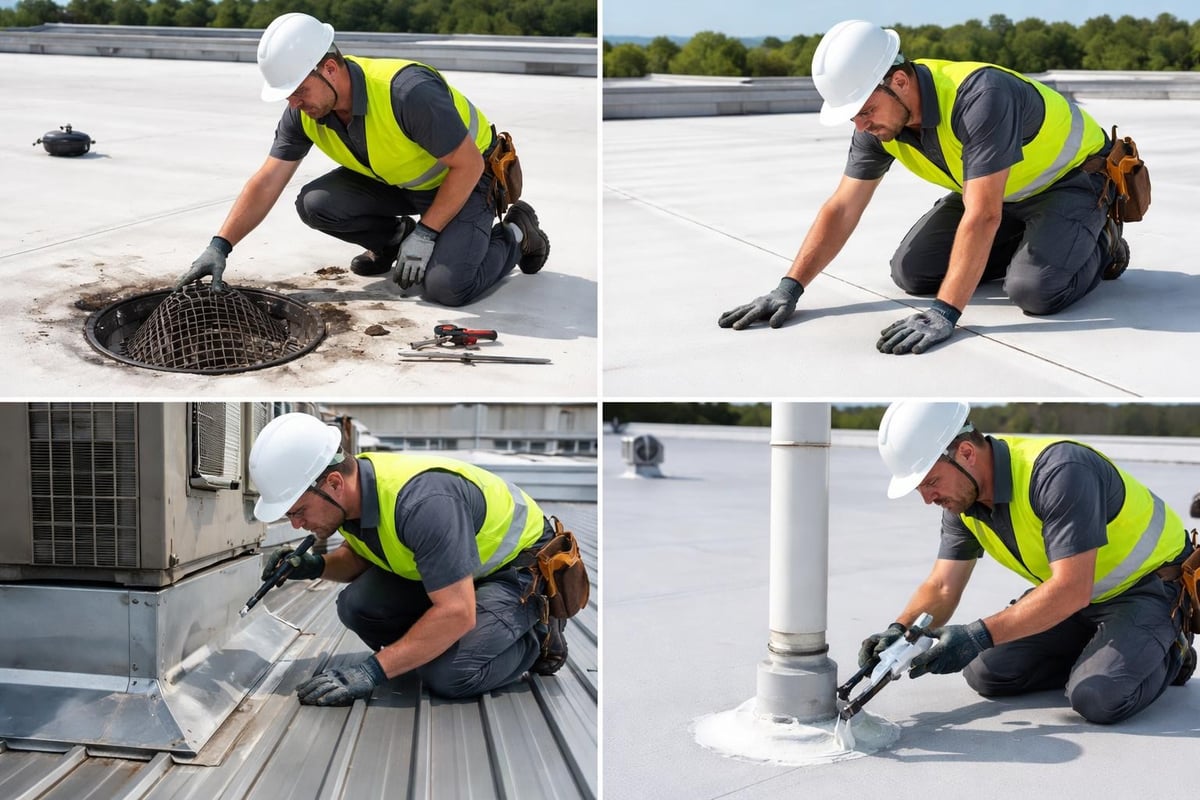
Drainage system maintenance deserves particular attention. Clogged drains and gutters cause 80% of commercial roof leaks. Regular cleaning prevents water ponding that accelerates membrane degradation and creates structural loading concerns. Comprehensive programs include drain cleaning as a standard service element, not an optional add-on.
Selecting the Right Roofing Partner
Choosing a provider for all in roofing requires evaluating capabilities beyond basic installation skills. The ideal partner combines technical expertise, financial stability, and service commitment.
Critical selection criteria include:
Comprehensive service capabilities across multiple roof types and repair approaches
Financial strength to honor long-term warranties and service commitments
Technical expertise with diverse commercial applications and building codes
Safety record demonstrating commitment to worker and building occupant protection
Communication systems providing transparent reporting and responsive customer service
Geographic coverage ensuring rapid emergency response regardless of property location
Request detailed references from clients with similar building types and service needs. A provider experienced with healthcare facilities understands infection control protocols that retail specialists might overlook. Government building experience demonstrates familiarity with public procurement requirements.
Insurance and bonding verification protects against contractor default or workmanship failures. Comprehensive programs involve significant financial commitments over extended periods. Partner stability ensures service continuity regardless of market fluctuations or business changes.
All in roofing programs transform warranty coverage from a simple document into an active risk management tool. Comprehensive service agreements typically include enhanced warranty terms that extend beyond standard manufacturer coverage.
Multi-tier warranty structures protect different system components:
Manufacturer material warranties covering defects in roofing products
Contractor workmanship warranties guaranteeing proper installation and repairs
System warranties providing comprehensive coverage when specific maintenance protocols are followed
No dollar limit (NDL) warranties covering all repair costs without financial caps
These layered protections create powerful incentives for quality work and proper maintenance. Contractors stand behind their installations financially, ensuring they specify appropriate materials and execute installations correctly.
Documentation becomes critical for warranty enforcement. Comprehensive programs maintain meticulous records of all work performed, including photos, repair details, and material specifications. This documentation proves maintenance compliance if warranty claims arise.
Emergency Response and Business Continuity
Even the best-maintained roofs occasionally experience unexpected failures from severe weather or accidental damage. All in roofing programs distinguish themselves through emergency response capabilities that minimize business disruption.
Effective emergency protocols include:
24/7 contact availability with guaranteed response times
Pre-positioned emergency materials for rapid temporary repairs
Established communication chains to keep stakeholders informed
Coordination with insurance adjusters and restoration contractors
Temporary protection systems to prevent secondary damage
Response time dramatically affects total loss costs. A roof leak addressed within two hours causes minimal interior damage. The same leak unattended for eight hours can destroy ceiling systems, damage inventory, and require extensive cleanup.
For facilities requiring detailed information about their roofing infrastructure, GM Roofing Services maintains comprehensive documentation accessible during emergencies. This institutional knowledge proves invaluable when rapid decisions are necessary.
Long-Term Roof Lifecycle Planning
Strategic all in roofing extends beyond current maintenance to comprehensive lifecycle planning. This forward-looking approach optimizes capital expenditures and prevents premature roof failures or unnecessary replacements.
Lifecycle planning begins with accurate condition assessment. Detailed inspections quantify remaining useful life based on membrane condition, substrate integrity, and system performance. This data informs replacement timing decisions that balance maximum life extraction against failure risk.
Phased replacement strategies allow large facilities to spread capital costs across multiple budget cycles while addressing the most critical areas first. A campus with ten buildings might replace two roofs annually over five years rather than attempting simultaneous replacement that strains budgets and creates operational chaos.
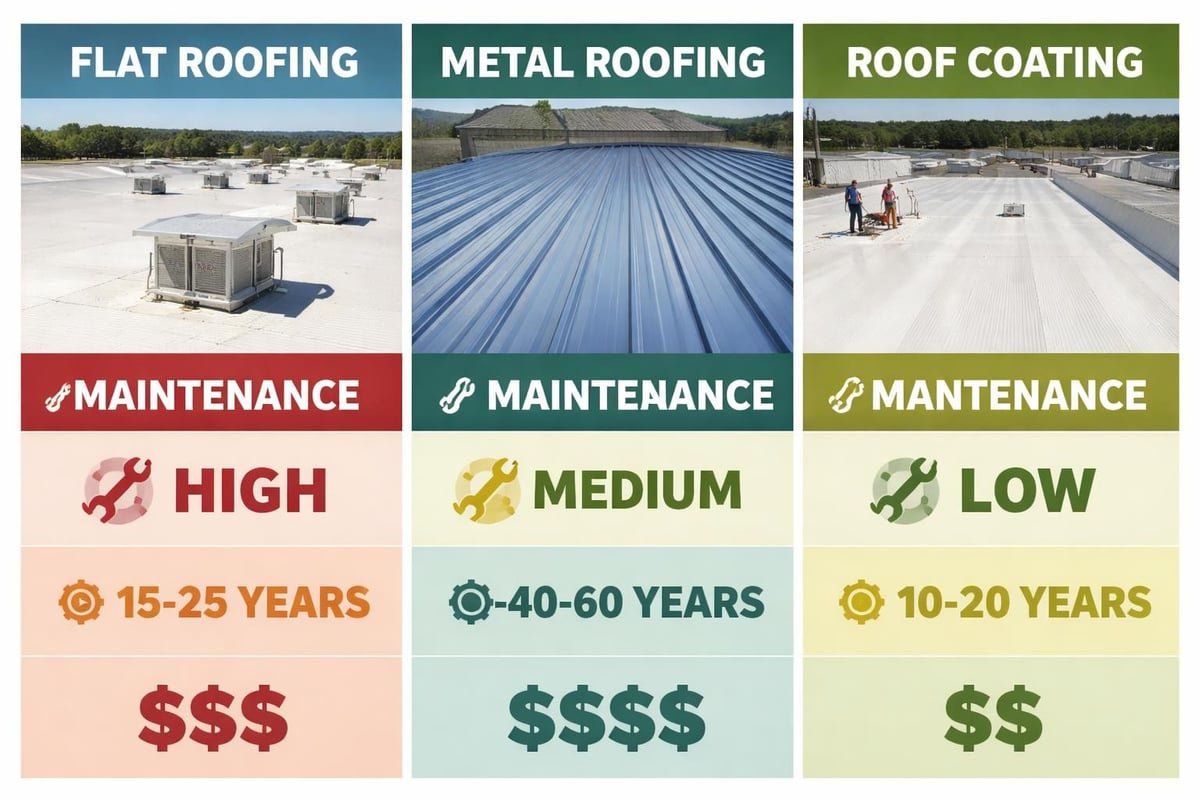
Roof restoration through coating applications offers compelling alternatives to complete replacement. Modern coating systems can extend roof life 10-20 years at 20-30% of replacement cost when applied to structurally sound substrates. Comprehensive programs evaluate restoration viability during regular inspections, maximizing this cost-effective option.
All in roofing transforms commercial roof management from a collection of disconnected services into a strategic asset management program that reduces costs, extends roof life, and eliminates unexpected failures. By integrating inspections, maintenance, repairs, and lifecycle planning under unified management, property owners gain budget predictability, enhanced performance, and true partnership with their roofing contractor. Whether you manage healthcare facilities, retail properties, or government buildings, GM Roofing Services delivers comprehensive roofing solutions including flat roofing, metal systems, protective coatings, and customized maintenance programs designed for your specific operational requirements.
Full roof replacement in 2026 Demystified Learn expert insights on costs materials process and contractor selection for a durable safe and efficient new roof
Discover expert solutions for leak sealer for roof in 2026 Learn about types application steps innovations costs and maintenance for long lasting protection