Full Roof Replacement Guide: Expert Insights for 2026
Full roof replacement in 2026 Demystified Learn expert insights on costs materials process and contractor selection for a durable safe and efficient new roof
Thinking about a full roof replacement in 2026? You’re not alone. Thousands of property owners are facing this important decision as aging roofs and changing weather patterns make upgrades more urgent.
A full roof replacement is a significant investment that affects your property’s safety, value, and long-term durability. With new technologies and updated regulations arriving in 2026, it’s essential to approach this project with the latest information and a clear plan.
This comprehensive guide provides expert insights, step-by-step instructions, and the latest industry trends. You’ll learn how to evaluate your current roof, understand each stage of the replacement process, choose the best materials, estimate costs, and select a reliable contractor.
Let this guide be your roadmap to a successful, stress-free full roof replacement. Start your journey toward greater safety, energy efficiency, and peace of mind.
Signs You Need a Full Roof Replacement
Recognizing when it is time for a full roof replacement can save you from costly damage and ongoing headaches. Many property owners delay this decision, hoping minor repairs will suffice, but understanding the warning signs is essential for protecting your investment. Let us break down the most important indicators and decision points to help you determine when a full roof replacement is truly necessary.
Identifying Critical Warning Signs
Several clear signs suggest your roof may be past the point of simple repairs. Persistent leaks, water stains on ceilings, or mold growth inside your attic signal moisture intrusion that can quickly escalate. Missing, cracked, or curling shingles often point to aging materials and declining protection.
Sagging roof decks or visible structural damage are red flags for immediate action. Look for granule loss and bald spots on shingles, as these leave your home vulnerable to further weathering. If you see daylight streaming through attic boards, your roof’s integrity may be compromised. Repeated repairs that yield diminishing returns also indicate the need for a more permanent solution.
Consider the age of your roof as well. Asphalt shingle roofs older than 20 to 25 years are at high risk for failure. In these cases, a full roof replacement is frequently the safest and most cost-effective choice.
Comparing Repair, Partial, and Full Replacement Options
Deciding between repair, partial replacement, or a full roof replacement depends on the roof’s overall condition and your long-term goals. Repairs may seem cost-effective initially, but for widespread or recurring issues, they often serve as temporary fixes.
Partial replacements can address isolated damage but come with limitations. Aesthetically, mismatched shingles are obvious, and warranties may not cover partially replaced roofs. Most manufacturer warranties are voided if only partial replacement is performed on aging structures. Additionally, partial replacements rarely address underlying systemic problems.
For a comprehensive solution, a full roof replacement offers long-term value, improved energy efficiency, and full warranty protection. If you are weighing your options, this detailed comparison of Commercial Roof Restoration vs Replacement can help clarify which route is best for your situation.
Impact of Roof Age, Material, and Local Climate
The need for a full roof replacement is influenced by the age and type of roofing material as well as your local climate. Asphalt shingles last about 20 to 25 years, while metal roofing can endure for 40 to 70 years. Tile and slate options may exceed 50 years with proper maintenance.
Harsh weather accelerates wear and tear. Hail, strong winds, and constant UV exposure all take a toll. Regional challenges such as freeze-thaw cycles, hurricanes, or extreme temperatures can shorten roof lifespan dramatically. For example, sun-exposed west-facing roof sections often deteriorate faster than shaded areas.
The Role of Professional Inspections
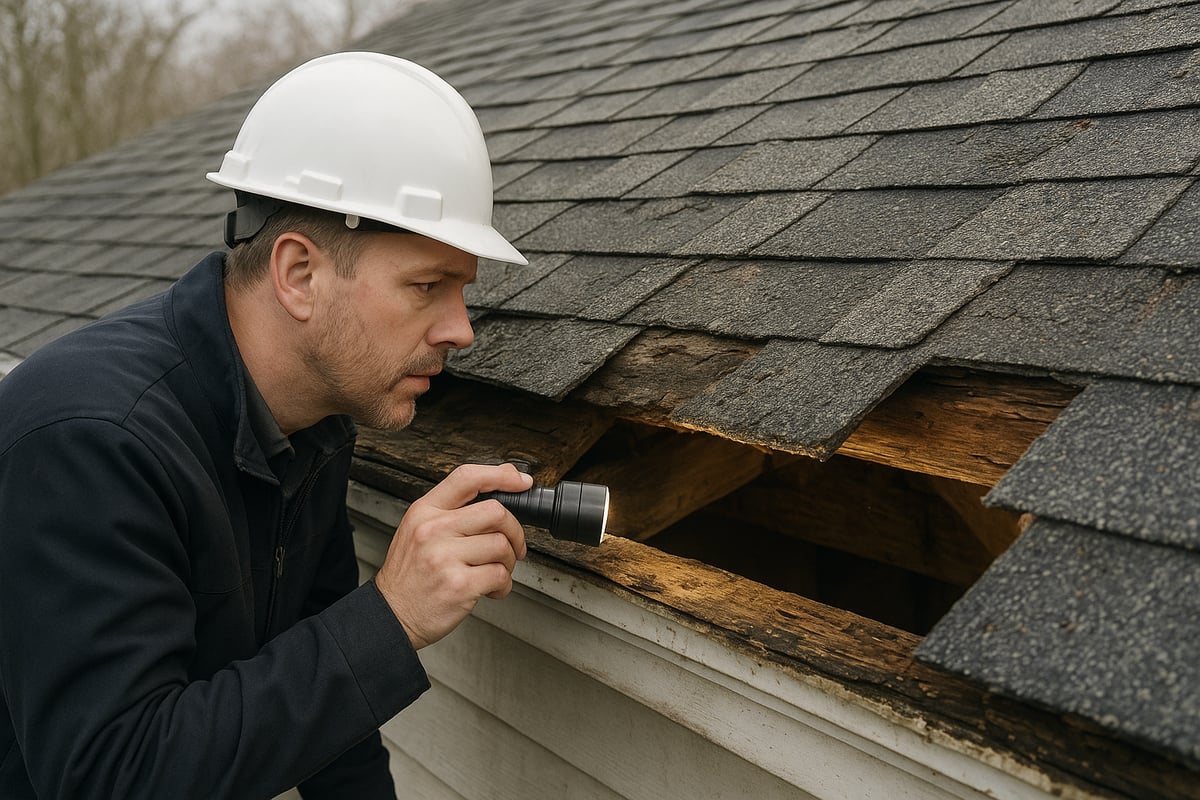
Before committing to a full roof replacement, a comprehensive professional inspection is crucial. Inspectors check for deck integrity, underlayment condition, flashing, and proper ventilation. Advanced tools like drones and infrared cameras help detect hidden damage that is not obvious from a surface glance.
Statistics show that over 60 percent of major roof issues are first uncovered during professional inspections. These evaluations provide peace of mind and ensure that a full roof replacement is truly warranted, preventing unnecessary expenses or missed problems.
The Full Roof Replacement Process: Step-by-Step
Embarking on a full roof replacement requires careful planning and a clear understanding of each phase. By following a structured process, property owners can minimize disruptions, ensure quality, and maximize the value of their investment. Let’s break down the essential steps, so you know exactly what to expect from start to finish.
Step 1: Initial Inspection and Assessment
The full roof replacement journey begins with a detailed inspection by a qualified contractor. They will carefully evaluate your roof’s current state, checking for visible leaks, damaged shingles, and structural concerns.
Inspections often include a thorough attic check for water stains or poor ventilation. Contractors look for signs of mold, wood rot, and compromised decking. This initial assessment determines if a full roof replacement is necessary or if repairs may suffice.
A comprehensive inspection sets the foundation for the entire project. By identifying all underlying issues early, you avoid surprises during the process. Detailed documentation from this step will also help with warranty and insurance claims later.
Step 2: Permitting and Scheduling
Once the need for a full roof replacement is confirmed, the next step is securing the required local permits. Most municipalities require permits to ensure compliance with building codes and safety standards.
Your contractor typically manages the permitting process, but homeowners should stay informed about approvals and timelines. Scheduling is then coordinated based on weather forecasts, material lead times, and crew availability.
Before work begins, homeowners should receive a clear project schedule. Notifying neighbors about upcoming work helps minimize disruptions. Proper planning at this stage keeps the full roof replacement on track and prevents costly delays.
Step 3: Material Selection and Customization
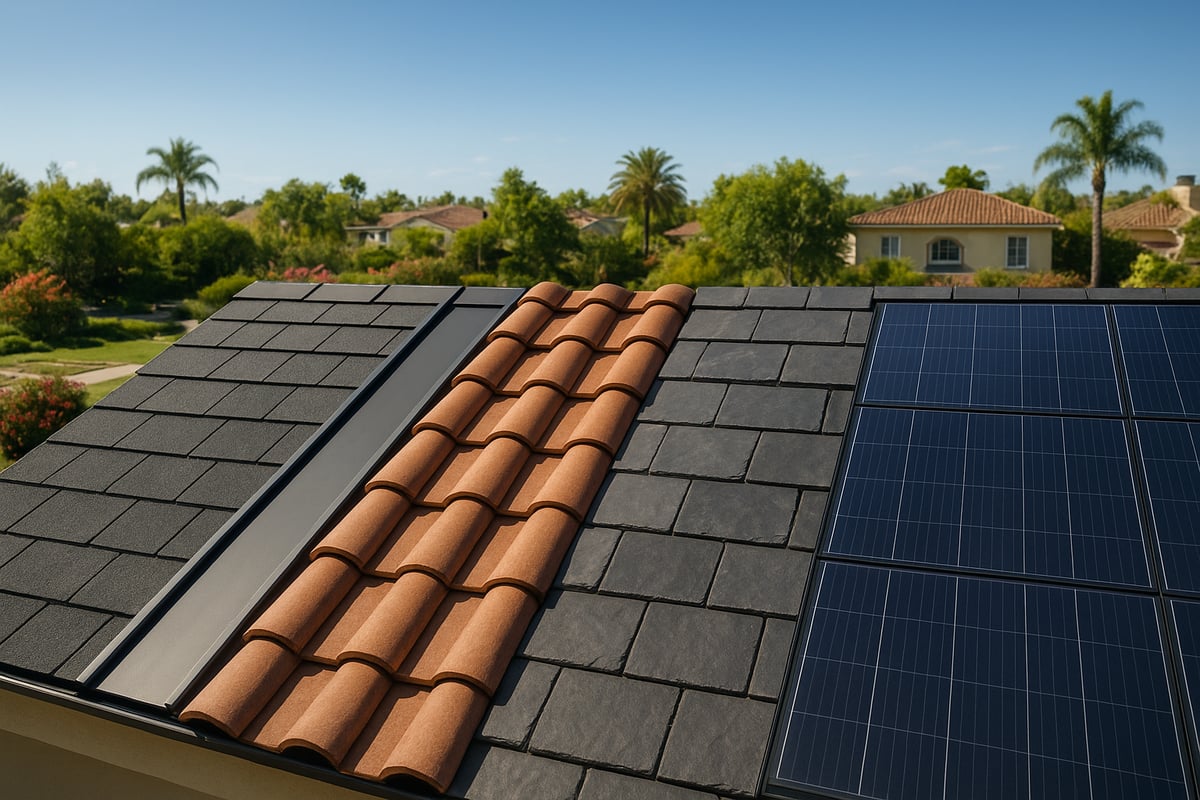
Selecting the right materials is a critical part of any full roof replacement. Common choices include asphalt shingles, metal panels, tile, slate, and synthetic products. Each material offers unique benefits in terms of durability, energy efficiency, and appearance.
For 2026, innovations like solar-integrated shingles and cool roof technologies are gaining popularity. When choosing materials, consider:
Expected lifespan
Climate suitability
Energy efficiency ratings
Budget and return on investment
Warranty coverage
To explore options and compare features, review resources such as the Types of Commercial Roofing Systems page. This step ensures your new roof will meet your needs and local requirements for years to come.
Step 4: Site Preparation and Safety Measures
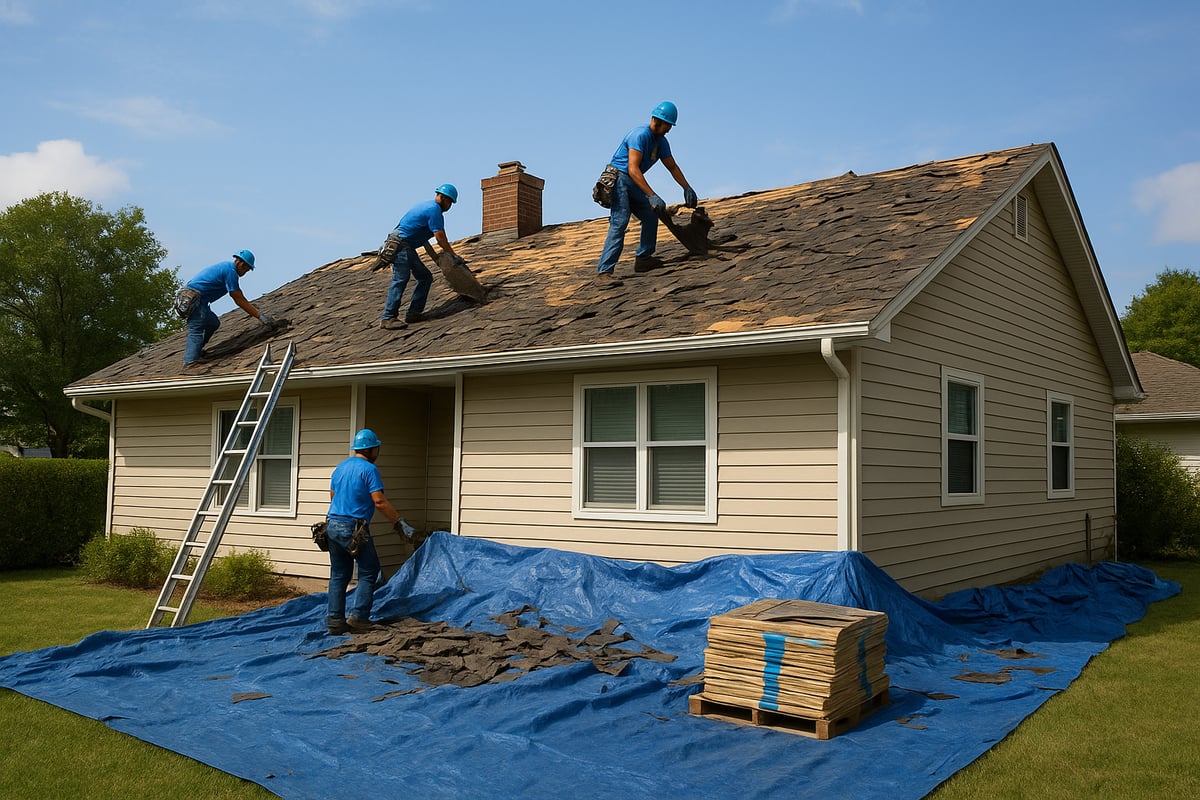
Before the full roof replacement begins, thorough site preparation is essential. Contractors will clear driveways, move vehicles, and protect landscaping with tarps and barriers. Homeowners should secure valuables in attics and alert neighbors about potential noise.
Safety is a top priority. The crew sets up ladders, scaffolding, and warning signs to prevent accidents. Access points are established for efficient material delivery and debris removal.
A well-prepared site keeps the project organized and minimizes risk. Attention to detail during this phase ensures the full roof replacement proceeds smoothly and safely, protecting both workers and your property.
Step 5: Removal of Old Roofing
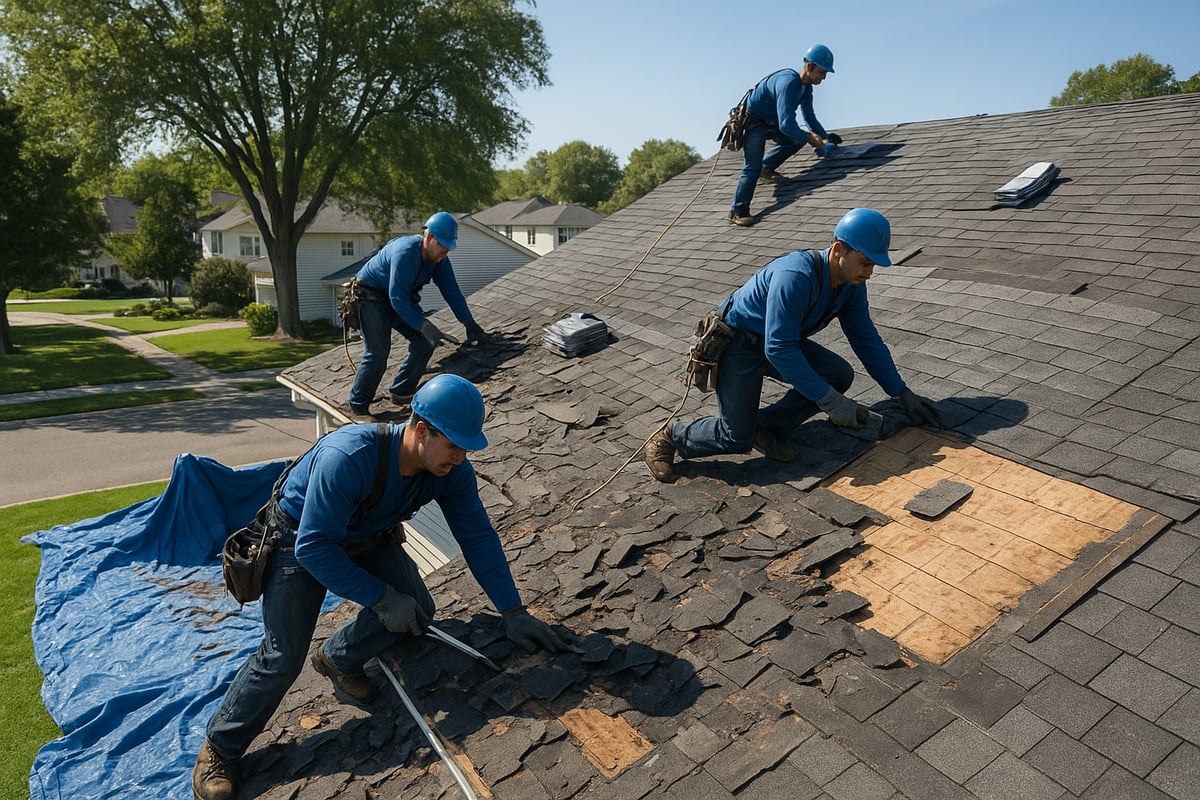
The next stage in a full roof replacement is the complete removal of old roofing materials. Contractors carefully strip away shingles, underlayment, and flashing, exposing the decking underneath.
This “tear-off” process allows for a thorough inspection of the roof’s foundation. All debris is collected and disposed of responsibly, often with recycling when possible. Removing every layer ensures that no hidden damage is left behind.
By starting with a clean slate, contractors can guarantee the new roof system’s integrity. This step is vital to the long-term success of your full roof replacement and helps prevent future issues.
Step 6: Deck Inspection and Repairs
With the old roofing removed, the deck is closely inspected for rot, mold, or structural weaknesses. Any compromised sections are replaced or reinforced to provide a solid base for your new system.
Quality deck repairs are critical. Skipping this step can undermine the entire full roof replacement, leading to leaks or structural failures down the road. Contractors use treated lumber and moisture-resistant materials to ensure lasting performance.
A strong, healthy deck supports the new roofing layers and is a must for durability. Proper repairs at this stage deliver peace of mind and long-term protection for your investment.
Step 7: Installation of New Roofing System
Now, the installation of the new roof begins. Contractors lay a protective underlayment to block moisture, then install drip edges, flashing, and updated ventilation systems.
Your chosen roofing material is then applied, following strict manufacturer guidelines for quality and warranty compliance. Proper ventilation is integrated to boost energy efficiency and extend the roof’s lifespan.
Every detail matters in this step of a full roof replacement. Precision installation ensures the system performs as intended, resisting weather and maximizing your property’s value.
Step 8: Cleanup and Final Inspection
The final phase of a full roof replacement is a thorough cleanup and inspection. Crews remove all debris, sweep for nails, and restore the property to its original state.
A joint walkthrough with the contractor and homeowner checks for workmanship quality and addresses any remaining punch-list items. Final adjustments are made if needed to ensure satisfaction.
Before closing out the project, confirm that all warranty paperwork is complete. This careful approach ensures the full roof replacement delivers lasting results and a worry-free experience.
Choosing the Right Roofing Materials for 2026
Selecting the best roofing materials is a pivotal step in any full roof replacement. With rapid advancements in technology and design, homeowners in 2026 have more options than ever. Carefully weighing durability, aesthetics, and efficiency ensures your investment stands the test of time.
Asphalt Shingles: Pros, Cons, and Innovations
Asphalt shingles remain the top choice for a full roof replacement, thanks to their versatility and budget-friendly pricing. In 2026, new impact-resistant and cool roof shingles have raised performance standards.
Pros: Affordable, easy installation, wide range of colors and styles
Cons: Moderate lifespan, can be vulnerable to severe weather
Innovations: Class 4 impact-resistant shingles for hail-prone areas, cool roof technology for energy savings
A full roof replacement with advanced asphalt shingles can boost curb appeal and provide reliable protection, especially if your roof is nearing the 20-year mark.
Metal Roofing: Durability and Sustainability
Metal roofing is gaining traction for full roof replacement projects that demand longevity and sustainability. With a lifespan of 40 to 70 years, metal is a solid investment for those seeking minimal maintenance and modern aesthetics.
Types: Standing seam panels, corrugated sheets
Benefits: Fire resistance, recyclable, energy-efficient with reflective coatings
Innovations: Integrated solar panels for dual-purpose energy generation
A full roof replacement using metal can withstand harsh weather, making it ideal for hurricane-prone regions or homes exposed to intense sun.
Tile, Slate, and Synthetic Options
For homeowners seeking elegance and extreme durability in a full roof replacement, tile, slate, and synthetic materials are top contenders. These options excel in both performance and appearance.
Tile and Slate: Last 50 years or more, offer classic aesthetics, but require reinforced structures due to weight
Synthetic Options: Composite slate and tile mimic natural materials at a lower cost and lighter weight
A full roof replacement with synthetic slate tiles can deliver the look of luxury while ensuring a 50-year warranty, making it an attractive choice for many.
Energy-Efficient and Green Roofing Solutions
Sustainability is reshaping full roof replacement trends for 2026. Homeowners are prioritizing eco-friendly options that cut energy costs and reduce environmental impact.
Solar Shingles: Seamlessly integrate electricity generation into your roof
Cool Roof Materials: High-reflectivity coatings help lower cooling bills by 10 to 15 percent
Green Roofs: Living roofs bring insulation and urban biodiversity
Recent Roofing Industry Trends for 2026 highlight the growing demand for energy-efficient materials and innovative solutions in full roof replacement projects.
Matching Material to Climate, Budget, and Aesthetics
Choosing the right material for your full roof replacement means balancing several factors:
Climate: Tile works well in hot, dry regions, while metal is ideal for hurricane zones
Budget: Asphalt offers the lowest upfront cost, while tile and slate are premium investments
Aesthetics: Consider HOA rules and neighborhood style for optimal resale value
A thoughtful full roof replacement tailored to your region and personal preferences ensures lasting satisfaction and maximum return on investment.
Cost Breakdown and Financing a Full Roof Replacement
Understanding the cost of a full roof replacement is essential for making informed decisions and planning your budget. Several variables influence the final price, and knowing what to expect can help you avoid surprises during your project.
Factors Influencing Roof Replacement Cost
Multiple factors determine the overall price of a full roof replacement. The size and pitch of your roof play a significant role, as larger or steeper roofs require more materials and labor. The complexity of the roof design, such as the presence of dormers or skylights, can also increase costs.
Your choice of materials, from basic asphalt shingles to premium slate, directly impacts the total amount you will pay. Labor rates vary by region, and additional repairs—like replacing damaged decking or upgrading ventilation—can add to your expenses. Local market conditions and seasonal demand may also affect contractor pricing.
Typical Price Ranges and What’s Included
The cost of a full roof replacement varies based on material, roof size, and location. As of 2026, typical price ranges are as follows:
Material
Average Cost Range
Asphalt Shingles
$8,000–$15,000
Metal Roofing
$15,000–$35,000
Tile/Slate
$20,000–$50,000+
These estimates generally include removal of old roofing, installation of new materials, cleanup, and basic warranties. To benchmark your project, you can reference Roof Replacement Cost Statistics 2025 for the latest data and trends.
Reputable contractors will provide detailed, line-item estimates to clarify what is covered in your full roof replacement.
Hidden Costs and How to Avoid Them
Unexpected expenses can arise during a full roof replacement. Common hidden costs include unforeseen repairs to the roof deck, permit fees, and disposal charges for old materials. You might also face additional costs for code-required upgrades, such as improved underlayment or enhanced ventilation.
To protect your budget, always request a comprehensive contract that lists all inclusions and exclusions. Clarify who is responsible for permitting and disposal. Consider a contingency fund of 10 to 15 percent of your total budget to cover surprises.
Insurance, Warranties, and Manufacturer Guarantees
Insurance can play a vital role in managing the cost of a full roof replacement, especially if your roof has suffered storm or disaster damage. Understanding the difference between manufacturer warranties (which cover materials) and workmanship warranties (which cover installation) is crucial.
Comprehensive warranties are often available only for complete roof replacements, not partial repairs. Always review the warranty terms, including coverage periods and transferability, before signing a contract.
Financing Options and Payment Plans
Many homeowners utilize financing to manage the investment required for a full roof replacement. Options include contractor-offered financing, home equity loans, or lines of credit. For energy-efficient upgrades, government incentives or rebates may be available.
When comparing financing plans, review interest rates, repayment terms, and eligibility requirements. Over 40 percent of homeowners rely on financing for major roof projects, making it a common and practical solution for managing upfront costs.
How to Choose a Reliable Roofing Contractor in 2026
Selecting the right contractor is a critical step in your full roof replacement journey. With the market evolving rapidly, knowing what to look for helps ensure quality, safety, and peace of mind.
Credentials, Licensing, and Insurance
Before hiring anyone for a full roof replacement, verify their credentials. A reputable contractor should hold valid state licensing, bonding, and comprehensive liability insurance. These credentials protect you from potential legal and financial risks during the project.
Ask for proof of manufacturer certifications, like GAF Master Elite or similar distinctions. Certified professionals are trained to install specific products according to manufacturer guidelines, which is essential for warranty eligibility. Only certified contractors can issue extended manufacturer warranties for your full roof replacement.
Confirm that your chosen company meets all local requirements. Do not hesitate to request documentation before signing any agreement.
Evaluating Experience, Reviews, and References
Experience is a cornerstone of a successful full roof replacement. Look for contractors with several years in business and a proven track record of completed projects similar in scope to yours.
Review portfolios and request references from recent clients. Take time to check verified customer reviews on reputable platforms for unbiased feedback. Directly contacting references offers valuable insight into the contractor’s reliability, communication, and workmanship.
For broader industry trends and to understand what leading contractors are doing in 2026, consult the 2026 State of the Roofing Industry Report for context on new standards and technologies.
Red Flags and Scam Prevention
Protect your investment in a full roof replacement by watching for red flags. Be wary of contractors who use high pressure sales tactics, offer vague or incomplete contracts, or lack a permanent local address.
Avoid storm-chaser companies that appear suddenly after major weather events. These firms often disappear quickly, leaving homeowners with substandard work and no recourse. Never agree to large upfront payments before any work begins.
Trustworthy contractors explain their process clearly, provide written agreements, and allow you time to make informed decisions.
Comparing Bids and Making the Final Choice
Collect at least three detailed estimates for your full roof replacement. Each bid should clearly outline the scope of work, materials, warranties, and project timeline.
Compare not just the price, but also the value offered. Review the quality of materials, length of warranty, and reputation of each contractor. Prioritize trustworthiness and professionalism over the lowest cost.
A well-chosen contractor makes the full roof replacement process smooth and ensures long-term protection for your property.
Post-Installation Maintenance and Maximizing Roof Lifespan
A full roof replacement is only the beginning of your roof’s journey. To ensure your investment lasts, diligent post-installation maintenance is essential. Routine care not only protects your property but also preserves the value and performance of your new roof for decades to come.
Essential Maintenance Tasks
After a full roof replacement, establishing a consistent maintenance routine is crucial. Start with biannual inspections, ideally in spring and fall. These checks help spot early signs of wear that could compromise your roof.
Key maintenance tasks include:
Cleaning gutters and downspouts to prevent water backup.
Removing leaves, branches, and moss from the roof surface.
Checking for damaged shingles or flashing after severe weather.
Addressing small issues promptly saves money and prevents bigger problems. According to Commercial Roof Maintenance Deferred Costs, neglecting maintenance can lead to higher expenses and premature failure, even after a full roof replacement. Protect your investment with regular upkeep.
Monitoring and Addressing Minor Issues Early
Even the best full roof replacement cannot prevent all future wear and tear. Vigilance helps catch problems before they escalate. Watch for subtle leaks, loose shingles, or signs of animal activity in your attic.
Take action when you notice:
Water stains or damp spots on ceilings.
Exposed fasteners or displaced flashing.
Unusual debris or droppings indicating pests.
Swift repairs, such as resealing flashing or replacing a few shingles, can extend the life of your full roof replacement. Stay proactive to avoid costly structural repairs down the line.
Understanding Your Warranty and Maintenance Requirements
After a full roof replacement, understanding your warranty terms is vital. Most manufacturer and workmanship warranties require proof of regular maintenance and adherence to specific care guidelines.
To maintain warranty coverage:
Register your new roof with the manufacturer.
Keep records of inspections, repairs, and maintenance.
Follow all care instructions provided by your contractor.
For property owners in Texas, Commercial Roofing Warranties in Texas offers a detailed look at warranty options and compliance. A valid warranty ensures your full roof replacement remains protected for years to come.
Planning for Long-Term Value and Energy Efficiency
Maximizing the lifespan and performance of your full roof replacement involves more than just repairs. Consider these strategies for lasting value:
Upgrade attic insulation and ventilation to regulate temperature and moisture.
Apply reflective coatings to reduce heat absorption and extend roof life.
Schedule periodic professional inspections, even if no problems are visible.
These steps can lower energy bills and boost your property’s value. By prioritizing maintenance and efficiency, you ensure your full roof replacement delivers reliable protection and comfort well into the future.
Frequently Asked Questions About Full Roof Replacement
Considering a full roof replacement often brings up many questions. Clear answers help you make confident decisions, avoid surprises, and maximize your investment. Here are the most common questions homeowners ask before starting a full roof replacement.
How Long Does a Full Roof Replacement Take?
A full roof replacement typically takes one to three days for an average-size home with asphalt shingles. Specialty materials like tile, slate, or metal may require extra time due to their weight and installation complexity. Weather conditions, roof pitch, and the size of your property can also influence the timeline.
For larger commercial projects, a full roof replacement may extend to a week or more. Technological advancements and industry growth, as discussed in the Roofing Market Size, Share and Trends 2026 to 2035, suggest that installation methods and timelines could continue to improve in the coming years.
Choosing an experienced contractor who communicates clearly about scheduling is key to minimizing disruptions during your full roof replacement.
What Should I Do to Prepare My Home?
Preparing your home for a full roof replacement helps ensure a smooth process and protects your property. Start by moving vehicles away from the work area to allow crew access and prevent accidental damage. Cover valuable items in your attic to shield them from dust or debris.
Notify your neighbors in advance about the upcoming work. Protect landscaping by moving potted plants and securing outdoor furniture. Create a checklist of tasks before the full roof replacement begins, and communicate any special concerns with your contractor to avoid issues.
What Are the Most Common Mistakes to Avoid?
When planning a full roof replacement, avoid choosing the lowest bid without reviewing credentials or warranties. Skipping proper ventilation or failing to obtain necessary permits can lead to costly problems and may void your roof's warranty.
Do not overlook the importance of a detailed contract. Overlooking attic ventilation or using substandard underlayment are frequent mistakes that shorten roof lifespan. Always verify your contractor’s licensing and insurance before approving the full roof replacement.
How Do I Know If My Roof Is Under Warranty?
To check if your full roof replacement is under warranty, locate your warranty documents and confirm registration details. There are typically two types: manufacturer warranties for materials and installer warranties for workmanship.
If you are unsure, contact your contractor or manufacturer for assistance. Most warranties require regular maintenance and proper installation. Keep records of inspections and repairs, as these may be needed for any future warranty claims related to your full roof replacement.
Discover expert solutions for leak sealer for roof in 2026 Learn about types application steps innovations costs and maintenance for long lasting protection